

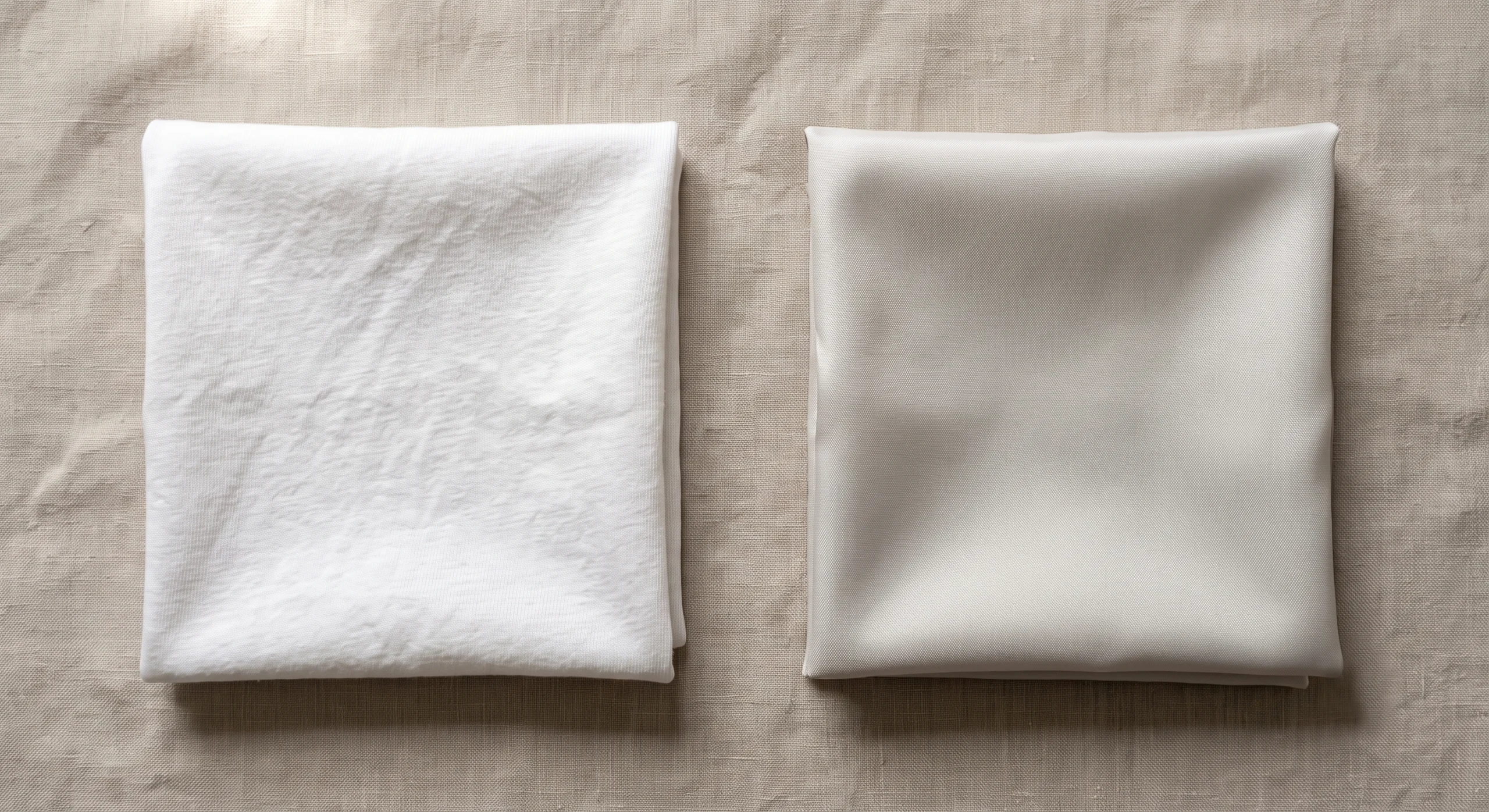

Cotton innerwear is soft, breathable, and absorbs moisture, making it the go-to choice recommended by doctors for everyday wear. Synthetic innerwear — nylon, polyester, or blends — offers stretch and quick-dry performance but traps heat and moisture, which is why most people reach for cotton once they know the difference.
If you’ve ever stood in front of your innerwear drawer wondering why some panties or briefs feel fresh all day while others leave you itchy and sweaty by noon, the answer usually comes down to one thing: fabric. Here’s a full breakdown of cotton vs synthetic innerwear, so you can shop smarter the next time you stock up.
What Makes Cotton Different
Cotton is a natural fibre, which means it behaves very differently against your skin than a man-made fabric like nylon or polyester.
- Breathability: Cotton’s fibre structure lets air move freely, so heat doesn’t get trapped against the skin the way it does with synthetics.
- Moisture absorption: Cotton can absorb a large amount of moisture relative to its own weight, pulling sweat away from the skin instead of letting it sit there.
- Fabric weight (GSM): Innerwear brands use GSM (grams per square metre) to describe how thick or thin a fabric is. A lighter GSM (around 130) works well for daily hipsters and briefs, while a slightly heavier GSM (up to 170) suits thermal or winter pieces that need more coverage and warmth. At Yoness, every piece is knit and dyed in-house specifically to hit the right GSM for its purpose — daily wear, thermal wear, or everything in between.
- Softness with no chemical processing: Because cotton doesn’t need synthetic coatings to feel soft, there’s less chance of the fabric irritating sensitive skin straight out of the pack.
Where Synthetic Innerwear Falls Short
Synthetic fabrics aren’t automatically “bad” — they have real uses — but for daily innerwear, they come with some consistent downsides:
- Trapped heat and moisture: Nylon and polyester don’t absorb sweat the way cotton does. Moisture stays on the surface of the fabric and against your skin.
- Higher irritation risk: Because synthetics are less breathable, prolonged wear can lead to chafing, rashes, or general discomfort — especially in humid weather or during long work days.
- Odour retention: Synthetic fibres tend to hold onto bacteria and odour more than cotton, even after washing.
- Less durable comfort over time: Repeated washing can make synthetic elastics and fabric feel stiffer, while good-quality cotton tends to soften with wash cycles.
Why Doctors Recommend Cotton for Everyday Wear
This isn’t just a marketing angle — it’s backed by medical guidance. Mayo Clinic advises choosing underwear with a cotton crotch that isn’t too tight as one of the simplest ways to lower the risk of vaginal yeast infections, alongside avoiding tight pantyhose and staying out of damp clothing for long stretches. Cleveland Clinic offers similar guidance, noting that nylon traps heat and moisture in a way that creates conditions where infection-causing organisms are more likely to thrive — while cotton lets that moisture escape instead.
For anyone prone to skin sensitivity, heat rashes, or recurring irritation, switching to breathable cotton innerwear is one of the simplest changes you can make — no medication required.
Cotton vs Synthetic: Quick Comparison
| Factor | Cotton | Synthetic (Nylon/Polyester) |
|---|---|---|
| Breathability | High | Low to moderate |
| Moisture absorption | Absorbs and wicks sweat | Traps moisture on skin |
| Skin sensitivity risk | Low | Higher risk of irritation |
| Odour control | Better over a full day | Retains odour faster |
| Stretch/shape retention | Good with cotton-elastane blends | Very high |
| Best for | Daily wear, sensitive skin, humid climates | Sportswear, swimwear, short-duration wear |
When Synthetic (or a Blend) Still Makes Sense
Synthetic fibres aren’t off the table entirely. Performance blends with a small percentage of spandex or elastane can be useful for:
- Intense workouts where quick-drying fabric matters more than all-day breathability
- Swimwear and activewear
- Seamless styles under fitted clothing, worn for short stretches
Even then, look for a cotton-lined gusset — the inner panel that sits closest to the body — so you get stretch on the outside and breathable cotton exactly where it matters most.
How to Choose the Right Fit and Fabric
Fabric is only half the equation — fit matters just as much for comfort. A few things to check before you buy:
- Check the size guide on the product page rather than guessing from your regular clothing size.
- Go for mid-rise or high-rise styles if you want more coverage without digging in at the waist.
- Match the GSM to the season — lighter cotton for everyday summer wear, and heavier options like thermal wear for women or thermal wear for men for winter layering.
- Buy in packs so you can rotate pieces and always have a fresh, breathable option ready.
Browse the full range across women’s innerwear and men’s essentials, or check current deals if you’re stocking up.
Caring for Cotton Innerwear
Cotton lasts longer and stays comfortable when it’s cared for properly:
- Wash in cool or lukewarm water to protect the elastic
- Avoid harsh detergents or excessive bleach, which can strip fabric softness
- Air-dry when possible instead of high-heat tumble drying
- Replace pieces once the elastic loses its stretch, since a loose waistband reduces both comfort and support
If a piece doesn’t feel right after your first wash, Yoness offers easy returns and exchanges within 7 days, and you can check shipping timelines before you order.
Frequently Asked Questions
Is cotton always better than synthetic for underwear? For daily wear, yes — cotton is more breathable and better for skin health. Synthetic blends are better suited to sport or swimwear where quick-drying performance matters more than all-day comfort.
What GSM is best for everyday cotton innerwear? Most everyday panties and briefs work well between 130–170 GSM, depending on how much structure and warmth the piece needs. Lighter GSM suits daily hipsters, while higher GSM suits thermal or winter styles.
Can synthetic underwear cause infections? It can raise the risk. Trapped heat and moisture create conditions where bacteria and yeast are more likely to grow, which is why doctors generally recommend breathable cotton, particularly for anyone prone to irritation or infections.
How many pairs of cotton innerwear should I own? Most people find 7–10 pairs comfortable, so you always have a fresh, breathable pair ready without over-relying on quick washes.
Does 100% cotton shrink after washing? Good-quality cotton blended with a small amount of elastane resists shrinking better than 100% cotton alone, while still keeping the breathability benefits.
Still deciding what to add to cart? Head to the Yoness shop for breathable, GSM-tested cotton innerwear built for everyday comfort, or read more about how every piece is made on our About Us page.
Leave a Reply