

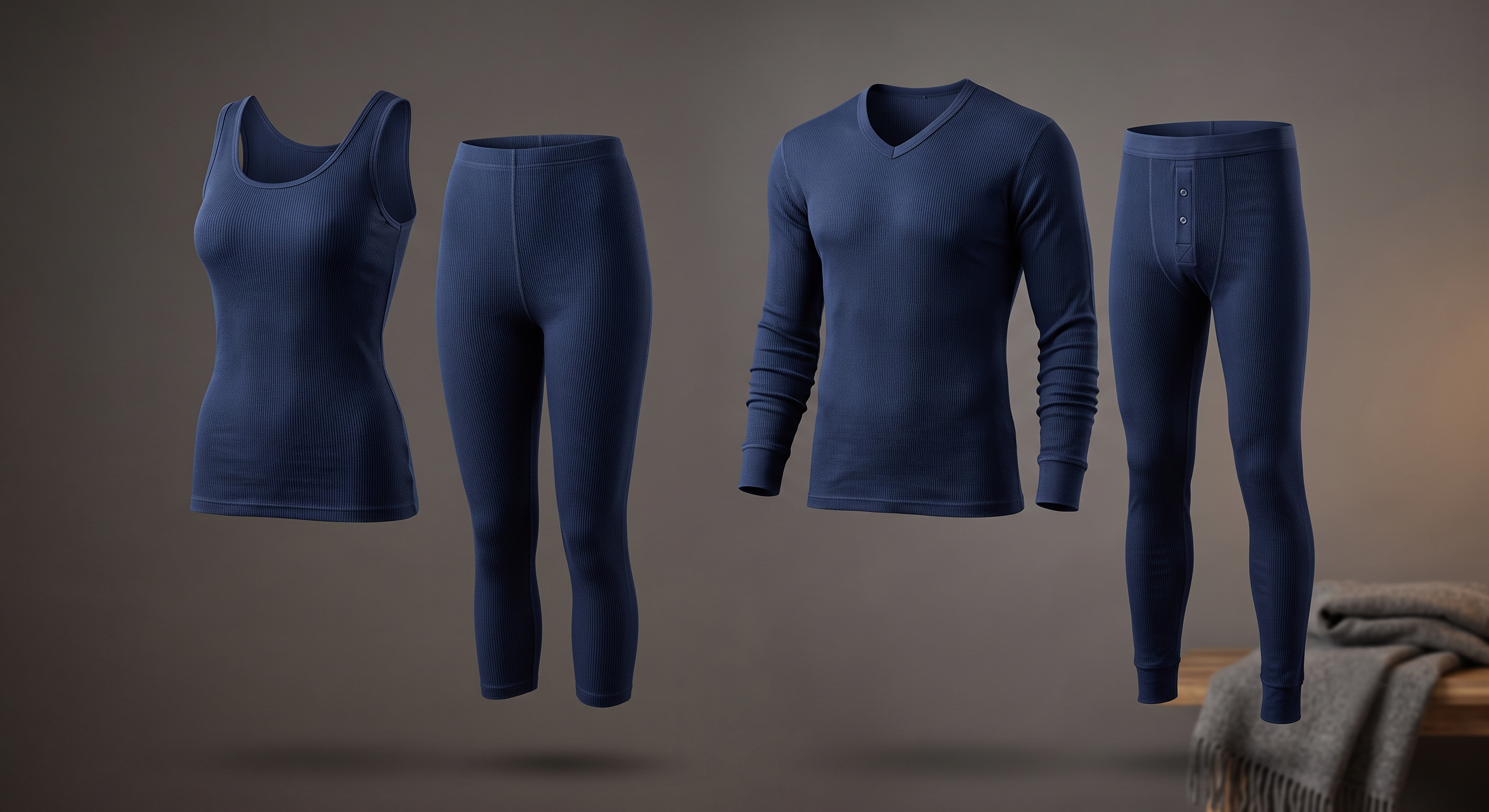

Thermal wear is a snug base layer worn under regular clothing to trap body heat and keep you warm through winter. The right thermal set comes down to three things: fabric, fit, and fabric weight (GSM) — get those right and you stay warm all day without feeling bulky.
As temperatures start dropping, it’s tempting to grab the first thermal set you see online. But not every thermal is built the same, and the wrong choice can leave you either sweating under three layers or still shivering on your commute. Here’s how to actually choose thermal wear that works for Indian winters — plus what to look for before you shop the collection.
What Thermal Wear Actually Does
Thermal wear (also called a base layer or long underwear) sits directly against your skin, underneath your regular clothes. Its job isn’t just “being warm” — it’s doing two things at once:
- Trapping a thin layer of warm air close to your body
- Managing moisture so you don’t feel damp or clammy as your body warms up
This is the same principle used in outdoor layering systems: a base layer against the skin, an optional mid layer for insulation, and an outer layer for wind or rain. According to REI’s layering guide, the base layer’s core job is moving perspiration away from the skin so you don’t get chilled once you cool down. For everyday city wear in India, you don’t need a full three-layer system — but the base-layer principle still applies: a well-fitted thermal top and bottom under your regular clothes does most of the work.
Choosing the Right Fabric
Not all thermal fabrics behave the same way, and the “best” one depends on where you’re wearing it.
- Cotton and cotton-blend thermals: Soft, breathable, and comfortable against the skin for extended indoor or everyday city wear. Many thermal fabrics for regular use are actually a cotton-polyester knit — this combination is specifically valued for how it traps body heat while staying gentle on skin, which is why it’s common in everyday winter wear across India.
- Wool (including merino): Excellent natural insulation and odour resistance, but can feel itchy against sensitive skin unless it’s a fine merino blend, and tends to cost more.
- Pure synthetic (polyester/nylon): Dries fast and wicks sweat efficiently, which is great for high-intensity outdoor activity, but can feel less breathable during long hours of everyday indoor wear.
- Cotton-elastane blends: Add stretch to a cotton base, so the thermal moves with you instead of feeling restrictive under other clothes.
One important distinction: outdoor and mountaineering guides often advise against cotton because it holds onto sweat during heavy exertion in freezing, wet conditions. That advice is built for skiing and high-altitude trekking — it doesn’t really apply to everyday winter wear in most Indian cities, where thermals are worn under regular clothes for warmth during a normal day, not for hours of intense outdoor exertion. For that everyday use case, a well-made cotton or cotton-blend thermal is genuinely one of the more comfortable options.
Fabric Weight (GSM): How Thick Should Your Thermal Be?
GSM (grams per square metre) tells you how dense a fabric is — and it’s a better indicator of warmth than the fabric name alone.
| GSM Range | Best For |
|---|---|
| 130–150 | Mild winter days, layering under fitted clothing, indoor wear |
| 150–170 | Colder mornings and evenings, daily commute, north Indian winters |
| 170+ | Extreme cold, hill stations, prolonged outdoor exposure |
If you live somewhere with a shorter, milder winter, a lighter-GSM thermal set is usually enough. If you’re dealing with sharper cold — early mornings, hill stations, or extended outdoor time — go for the higher end of that range.
Getting the Fit Right
A thermal that’s too loose won’t trap heat effectively, and one that’s too tight will restrict movement and feel uncomfortable under other clothes. Aim for:
- A snug, not skin-tight, fit — thermal wear should sit close to the body without pinching
- Full coverage at the waist and ankles/wrists so warm air doesn’t escape at the gaps
- Stretch fabric (a small amount of elastane) so the thermal moves with you instead of riding up
Check the size guide on each product page before ordering rather than going off your regular clothing size — thermal wear is meant to fit closer to the body than your outer layers.
Men’s vs Women’s Thermal Wear
The core fabric and GSM logic is the same for both, but fit and cut differ:
- Women’s thermal wear is typically cut with a closer waist and hip shaping to sit smoothly under fitted clothing like leggings or churidars.
- Men’s thermal wear usually has a straighter cut through the body and is designed to layer cleanly under shirts and trousers without adding bulk.
Both should still follow the same fit rule: snug, not restrictive.
Caring for Your Thermal Wear
Thermal fabric performs best when it’s looked after properly:
- Wash in cool water to protect the elastane and prevent the fabric from losing its snug fit
- Skip fabric softener, which can coat the fibres and reduce breathability
- Air-dry rather than using high heat, which can shrink or stiffen the knit
- Rotate between at least two sets so one is always fresh for the next cold day
If a size doesn’t feel right after your first wear, remember returns and exchanges are available within 7 days of delivery, and you can check expected delivery timelines before you order.
Frequently Asked Questions
When should I start wearing thermal wear? Once early morning or night temperatures start feeling noticeably cold — usually as soon as you’d reach for a light jacket for your commute. Starting early means you’re not scrambling for options once peak winter hits.
Is cotton thermal wear warm enough for Indian winters? For most Indian cities, yes. A cotton or cotton-polyester thermal at the right GSM handles typical winter temperatures comfortably for everyday indoor and outdoor wear. Only extreme cold or prolonged outdoor exposure usually calls for wool or heavyweight synthetic options.
Can I wear thermal wear all day? Yes, as long as it fits well and isn’t overly tight. A snug, breathable thermal set is designed for all-day wear under your regular clothing.
Do thermals need to be tight to work? They need to be snug, not tight. A close fit helps trap warm air near the skin, but anything that restricts movement or digs in defeats the purpose.
How many thermal sets should I own? Two sets is a practical minimum — one to wear while the other is being washed — so you always have a dry, ready set through the season.
Ready to layer up? Explore women’s thermal wear and men’s thermal wear at Yoness, or check current deals before the season picks up.
Leave a Reply